

5 Best Incontinence Underwear for Men After Prostate Surgery in 2026
Urinary incontinence after a radical prostatectomy (prostate surgery) is common and is usually an expected part of recovery for most men. Clinical sources consistently describe 60–80% of men experiencing some degree of leakage immediately after surgery, with most regaining control within 6–12 months as the pelvic floor muscles and surrounding tissue heal.
The leakage severity changes a lot over that recovery window, which may be heavy in the first few weeks after your catheter comes out and tapering down over the following months. As such, the right product for week 2 usually isn’t the right product for month 4. This guide is organized by that recovery arc: heaviest protection first, lightest last.
This is general product information, not medical advice. If leakage hasn’t improved noticeably after several months, or is getting worse rather than better, talk to your surgeon or a pelvic floor physical therapist — don’t just keep buying heavier protection.
5 Incontinence Products for Post-Prostatectomy Recovery — Summary
PRODUCT | DESCRIPTION | PRICE | |
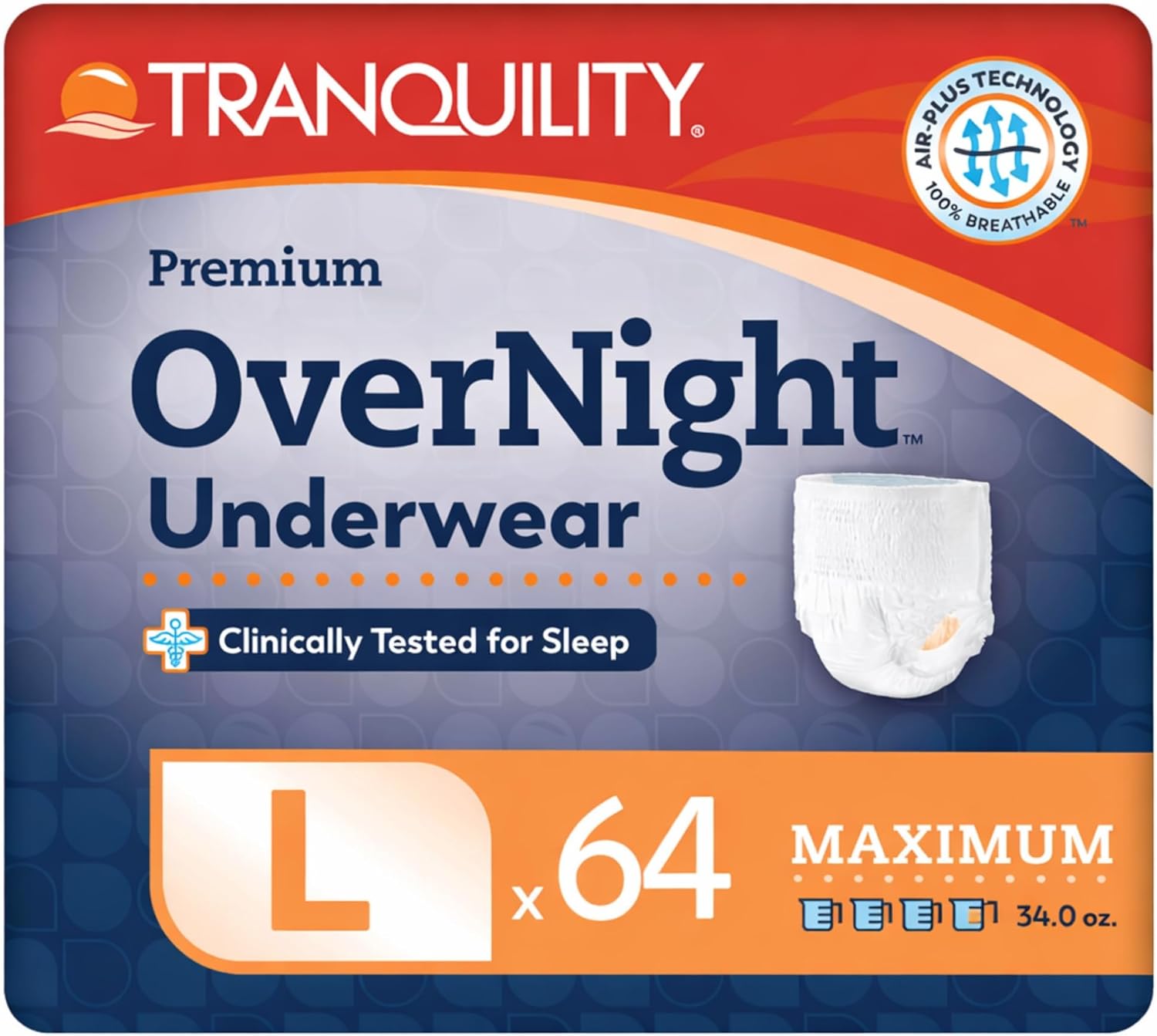
| Tranquility Premium Overnight Disposable Absorbent Underwear | First weeks — easier removal near an incision | |
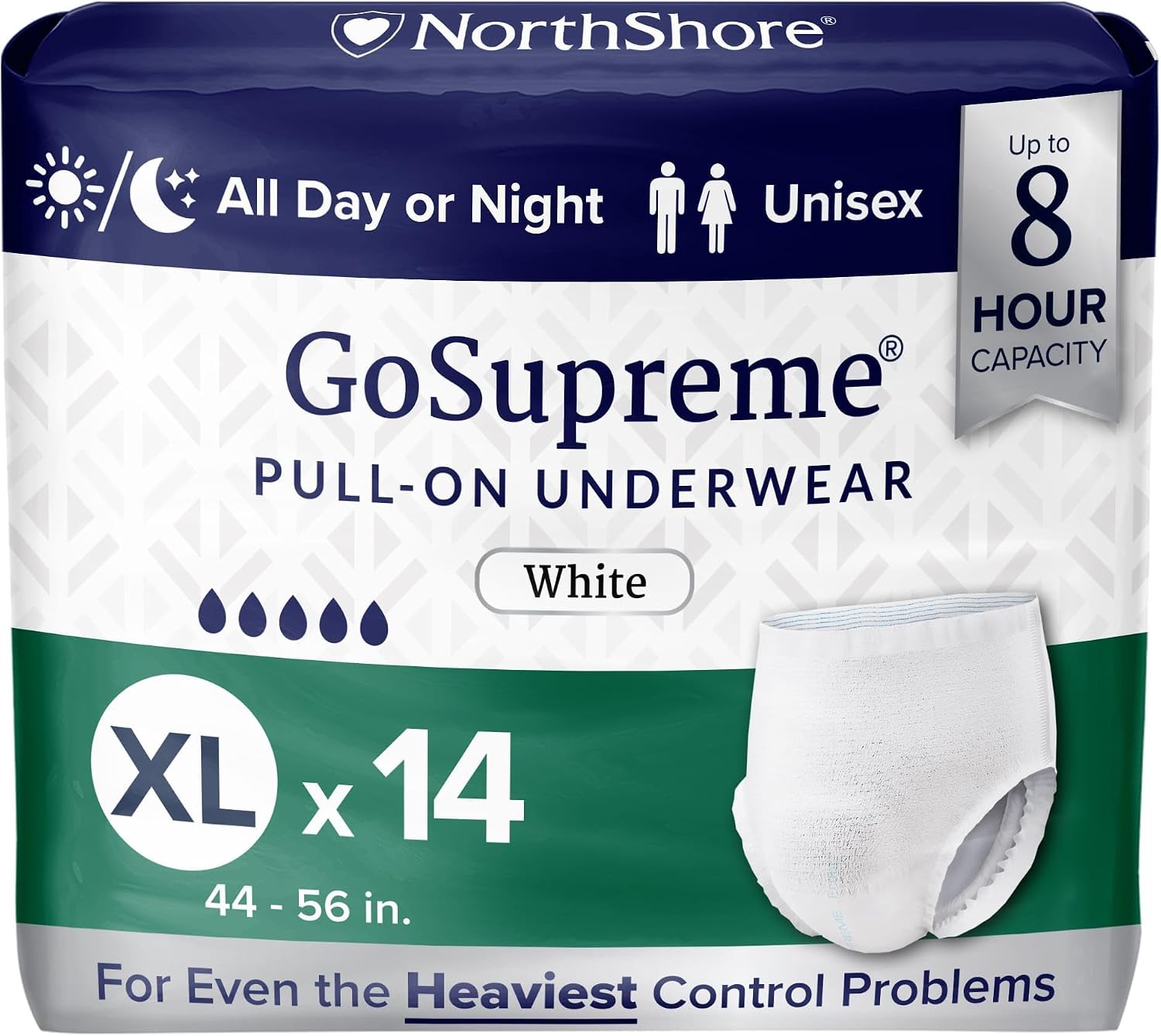
| NorthShore GoSupreme Overnight Pull-On Underwear | Heaviest available absorbency | |
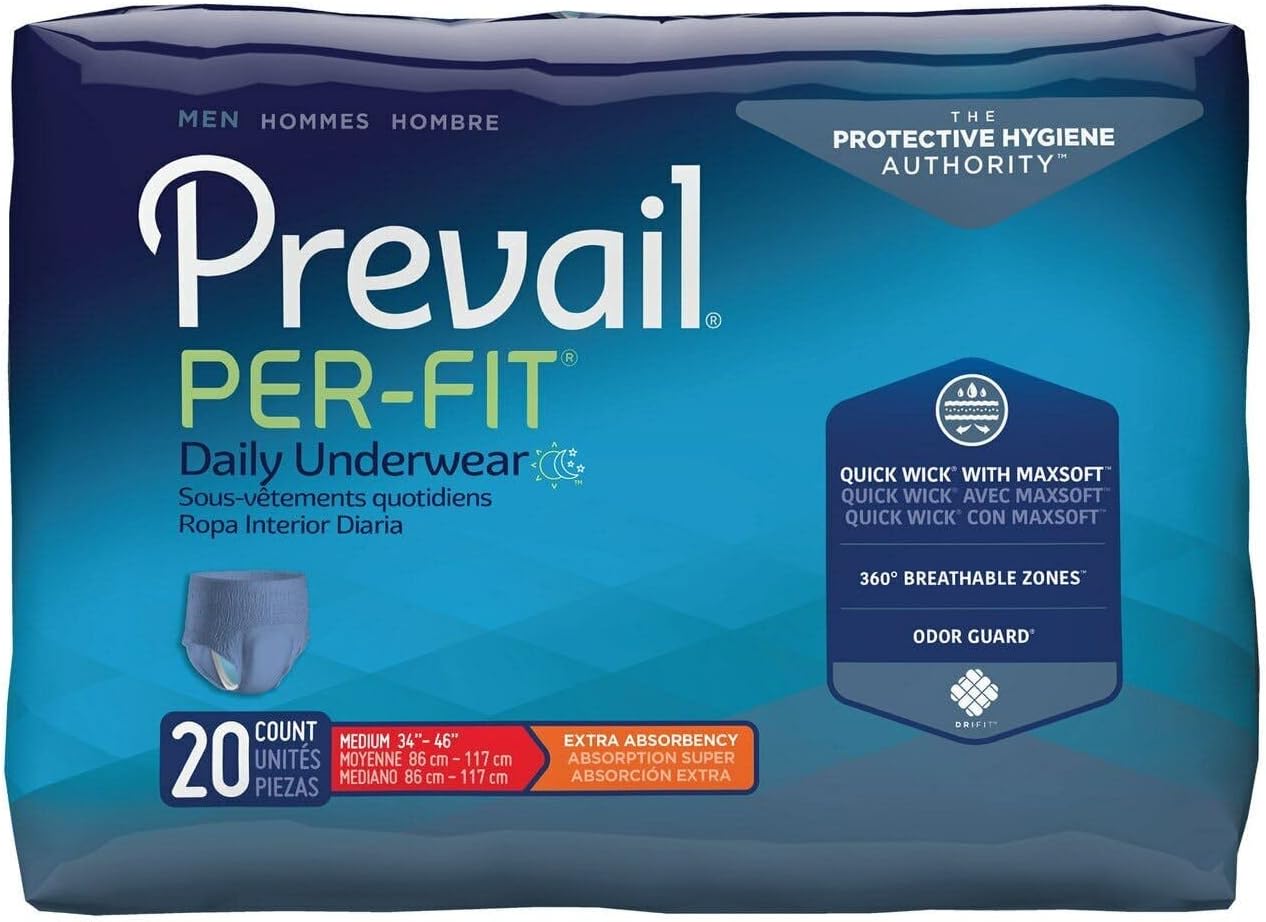
| Prevail Per-Fit for Men Daily Protective Underwear | Daily wear for moderate-heavy | |
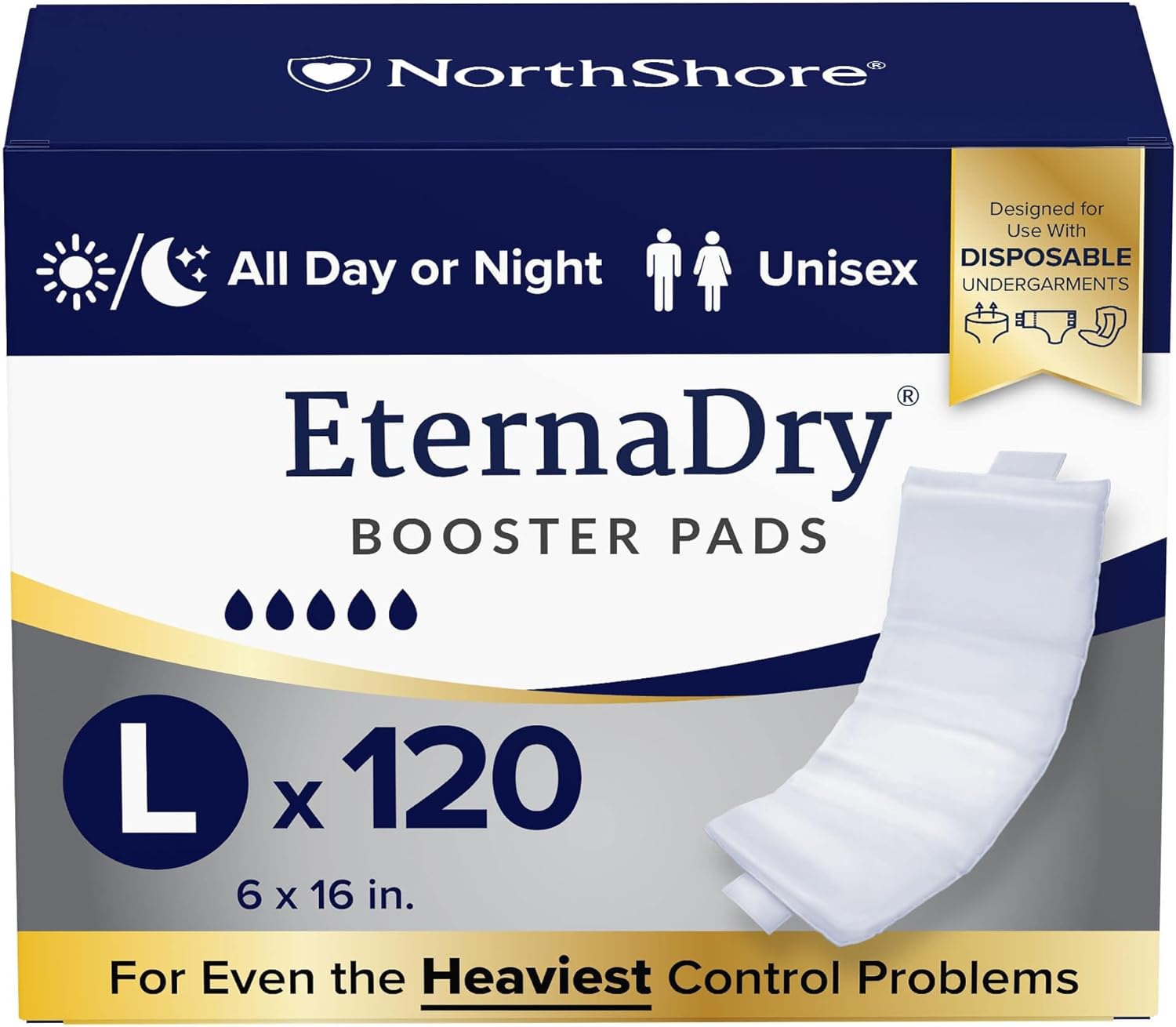
| NorthShore EternaDry Booster Pads | Extending wear time between changes | |
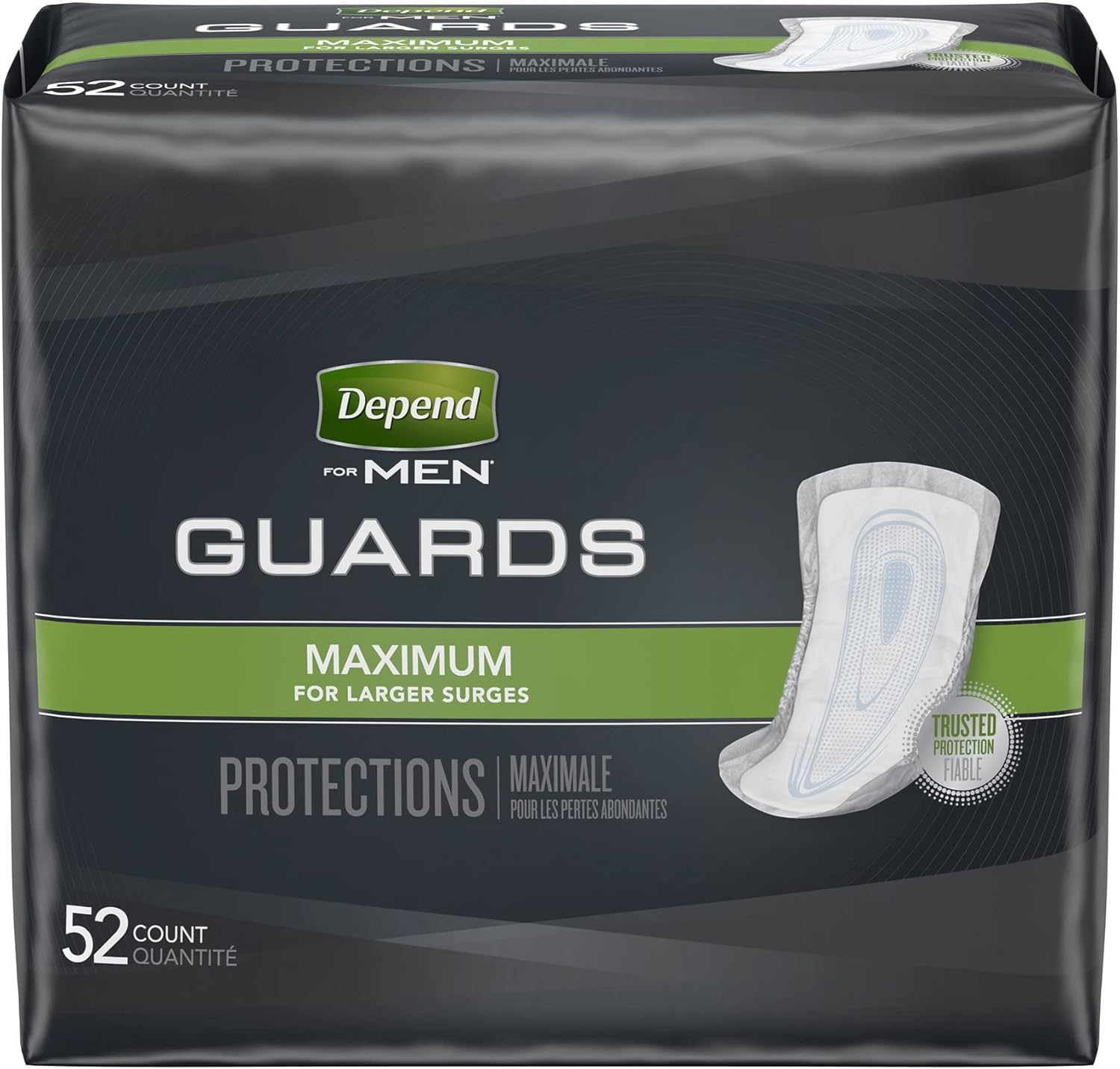
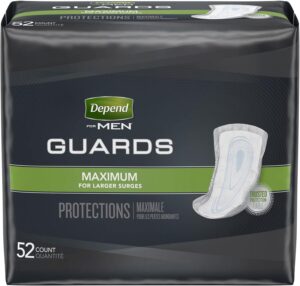
| Depend Guards for Men | Tapering to lighter protection |
YGP top 5 best Incontinence Underwear for Men After Prostate Surgery in 2026
Best for the first weeks — easier removal near a healing incision
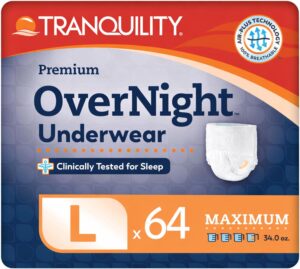
Pack details
- Pull-on style with tear-away side seams for removal, sized XS through XXXL
- Up to 34 oz capacity depending on size
- Available in multiple case sizes
Features
- Kufguard leg cuffs direct fluid to the absorbent core to reduce leaks, including while lying down
- Peach mat core technology aimed at skin dryness and odor control
- Soft, cloth-like, latex-free material
Pros
- The tear-away side seam is the standout feature for this specific recovery — you don’t need to pull a garment down over a tender incision area to remove it, you tear the sides, and it opens flat
- Rated to contain leakage even while lying down, which matters for the stretch of early recovery spent resting more than usual
- High capacity (up to 34 oz) covers the heaviest days without needing a second product
Cons
- Bulkier than lighter products further down this list — appropriate for the first weeks specifically, not for months of ongoing wear
- Premium pricing compared to alternatives
Summary: Instead of pulling on and off like a standard pull-up, this uses tear-away side seams, which is super useful in the first weeks post-surgery when reaching around a healing abdominal incision to pull a garment down isn’t comfortable.
Heaviest available absorbency
Pack details
- Pull-on style, 8-hour leak protection rating
- Sized S through 3XL
- Available in starter packs (as few as 4) up to full cases (56-count)
Features
- Super-absorbent Microsorb lining, designed to wick urine away from skin quickly
- Extra-long contoured lining extending from front to rear
- Available in a “Lite” (6-hour) version as well, if this tier turns out to be more than you need
Pros
- The highest-absorbency option on this list — worth having on hand for the heaviest days in the first weeks, especially overnight
- Small starter packs let you try it before committing to a full case, which matters since needs change fast in early recovery
- The brand offers a lighter “Lite” tier under the same name if this turns out to be more capacity than you actually need — easy to step down without switching brands
Cons
- Premium pricing per unit compared to bulk store-brand options
- More capacity than most men will need past the first few weeks — don’t default to this tier once leakage lightens
Summary: An 8-hour-rated pull-up that NorthShore markets at up to 3x the absorbency of standard store-brand underwear — worth knowing about specifically for the heaviest days, even if it’s more than most men need most of the time.
Best men-specific fit for daily wear
Pack details
- Pull-up style, sized S/M through XL
- “Extra Absorbency” tier — moderate-heavy, one step down from overnight-max products
Features
- QuickWick with MaxSoft material, designed to pull moisture away from skin quickly
- 360° breathable side panels, aimed at reducing heat/moisture buildup during all-day wear
- Comfort-Shape elastics designed specifically around male anatomy rather than a unisex cut
Pros
- Built specifically for men, not a unisex product — the fit difference is noticeable once you’re wearing it daily rather than occasionally
- Breathability features matter more here than for occasional use, since men in this recovery window are often wearing protection most of the day for weeks at a stretch
- A realistic middle-absorbency option for the bulk of recovery, once you’re past the heaviest first weeks but not yet down to light guards
Cons
- Not the cheapest per-unit option if you need heavy daily volume
- Standard pull-up removal (no tear-away sides), so less ideal than the Tranquility option specifically in the first couple of weeks
Summary: A moderate-heavy pull-up built specifically around male anatomy, with breathability features aimed at the weeks of daily, near-constant wear that make up the bulk of post-surgical recovery.
Best for extending wear time between changes
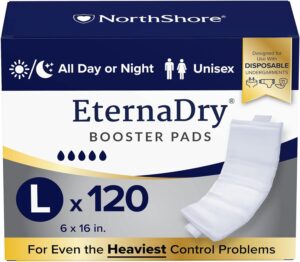
Features
- Adhesive-backed booster pad, added inside existing protective underwear or guards
- Sized to match different underwear types
- Designed to add capacity without requiring a full product change
Pros
- Instead of a full change when you’re out for the day, a booster pad can extend how long your existing underwear lasts
- Useful specifically for days when you know you’ll be away from a place to change (travel, work, medical appointments)
Cons
- Not a standalone product — you still need base protective underwear or guards underneath it
Summary: An adhesive pad that sits inside underwear you’re already wearing and adds extra absorbency — a genuinely different product type from everything else on this list, aimed at stretching time between full changes rather than replacing them.
Best for tapering to lighter protection
Pack details
- Pad/guard style — worn inside your own snug-fitting briefs or boxer briefs, not a standalone pull-up
- One-size-fits-all, cup-shaped
- Available in 52-count and larger case packs
Features
- Cup-like shape designed to fit male anatomy, adhesive-backed to stay in place
- OdorBlock technology and a super-absorbent core
- Individually wrapped for discreet carrying
Pros
- This is usually the right product for the tapering stage — once you’re not soaking through in a few hours, a guard worn with your own underwear is less bulky and less expensive per change than full protective underwear
- Individually wrapped guards are genuinely useful for carrying a backup at work or while out
- Works with regular briefs or boxer briefs (not boxers — the guard needs snug-fitting underwear to stay in place)
Cons
- Not enough absorbency for the heaviest early weeks — this is a step-down product, not a starting point
- Requires snug underwear underneath to actually hold the guard in place
Summary: A cup-shaped adhesive pad worn inside your own briefs or boxer briefs rather than a standalone garment — the usual next step once you’re not soaking through in a few hours.
Why this happens, and how long it usually lasts
The urinary sphincter and surrounding pelvic floor muscles sit close to the prostate, so removing it — however carefully — temporarily affects the muscles and nerves that normally hold urine in. Most men experience stress incontinence specifically: leakage triggered by movement, coughing, or physical exertion, rather than constant leakage.
The good news is that this is expected to improve, with medical sources describing most men regaining meaningful bladder control within 6 to 12 months. Pelvic floor exercises (Kegels) — ideally started before surgery and continued after — are the standard first-line approach to speeding that recovery.
Does insurance cover this?
It is a gray area depending on the insurance you have:
- Original Medicare (Parts A and B) does not cover absorbent incontinence supplies — adult protective underwear, guards, and pads are classified as personal convenience items, not durable medical equipment.
- Medicare Advantage (Part C) plans sometimes do cover them as a supplemental benefit — this varies significantly by plan, so check yours directly.
- Medicaid commonly covers incontinence supplies when medically necessary, though coverage, brand restrictions, and monthly limits vary by state.
- FSA and HSA funds can be used for most of these products regardless of insurance coverage.
If you have Medicaid or a dual Medicare/Medicaid plan, it’s worth checking before buying out of pocket. You may also be able to find some suppliers who help patients get these supplies covered rather than pay for directly.
FAQs
How many should I expect to go through per day?
This varies enormously by how much leakage you have and which stage of recovery you’re in. In the first weeks after catheter removal, several changes a day are common. Buy the smallest pack size first for any new product until you know your actual usage rate.
Can I just use regular pads instead of products made for men?
You can, but men’s-specific products exist for real anatomical reasons — the cup shape and front-loaded absorbency in men’s guards match male anatomy in a way generic pads don’t. Worth trying at least one men’s-specific product before assuming a generic pad is good enough.
When should I be concerned rather than just managing it with products?
If leakage isn’t improving at all several months out, or is getting worse, that’s worth raising with your surgeon or a pelvic floor physical therapist rather than just continuing to buy heavier protection.
If you are also managing erectile dysfunction during recovery post prostate surgery, you can check out our article on the top 5 best penis pumps after prostate surgery.
If you have general incontinence, you can also check out our top 5 best incontinence underwear for men.


You May Also Like
How To Use A Penis Pump? – Safety And Care Of Penis Pump Answered
5 Best Home Shockwave Therapy Machines for Erectile Dysfunction (ED) in 2026